What we admit, what we reject, and how we check an answer.
Source selection, answer review, and the decisions behind a corpus small enough to inspect.
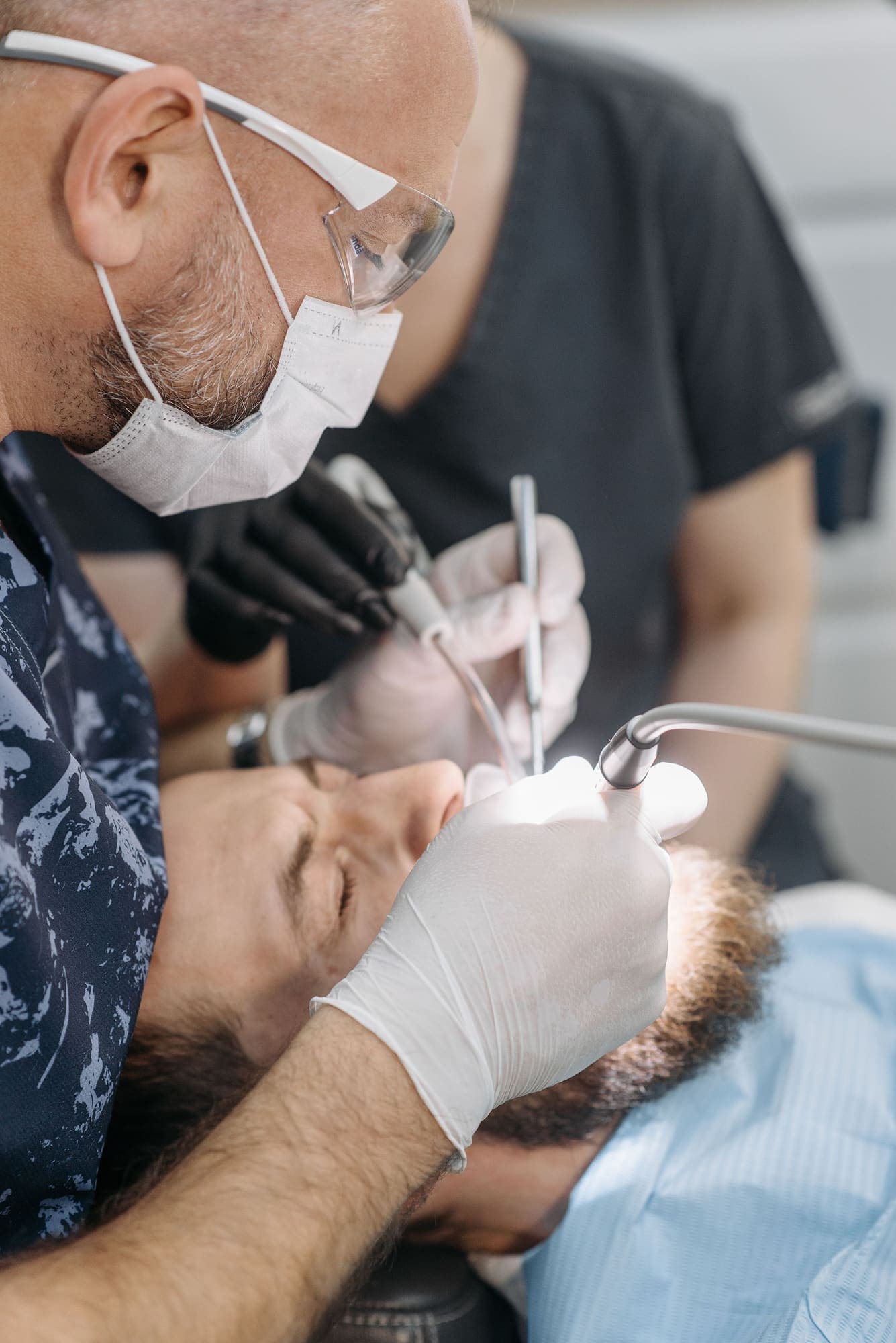 Dental Shade Matching Process: Clinical Color AccuracyA practical dental shade-matching process covering lighting, dehydration, visual selection, digital measurement, photography, and laboratory communication.3 min read by Dental Evidence Team
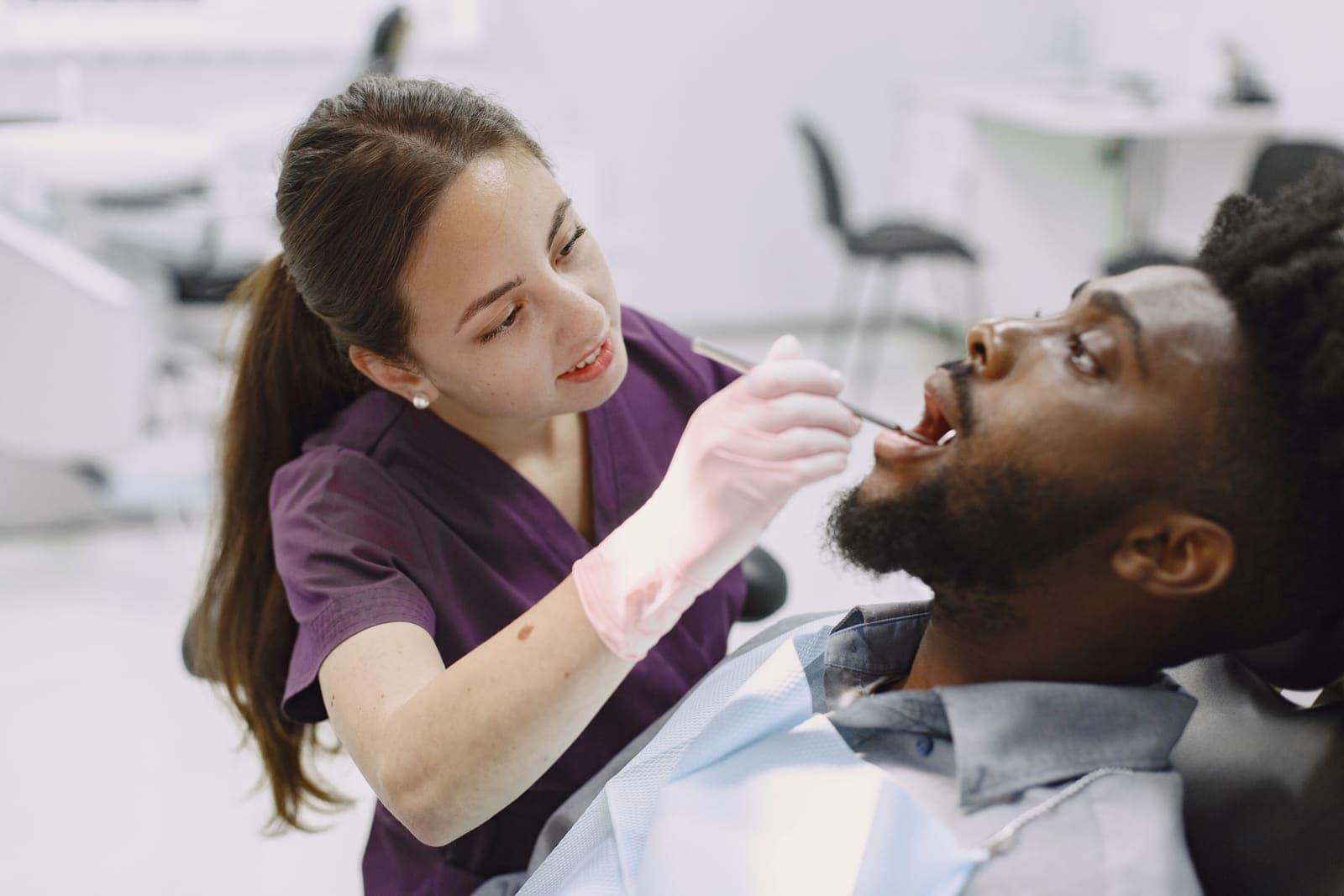 Airway Analysis in Orthodontics: Screening and ReferralEvidence-based airway analysis in orthodontics, including screening, CBCT limits, referral for suspected sleep-disordered breathing, and treatment boundaries.3 min read by Chithra Durgam
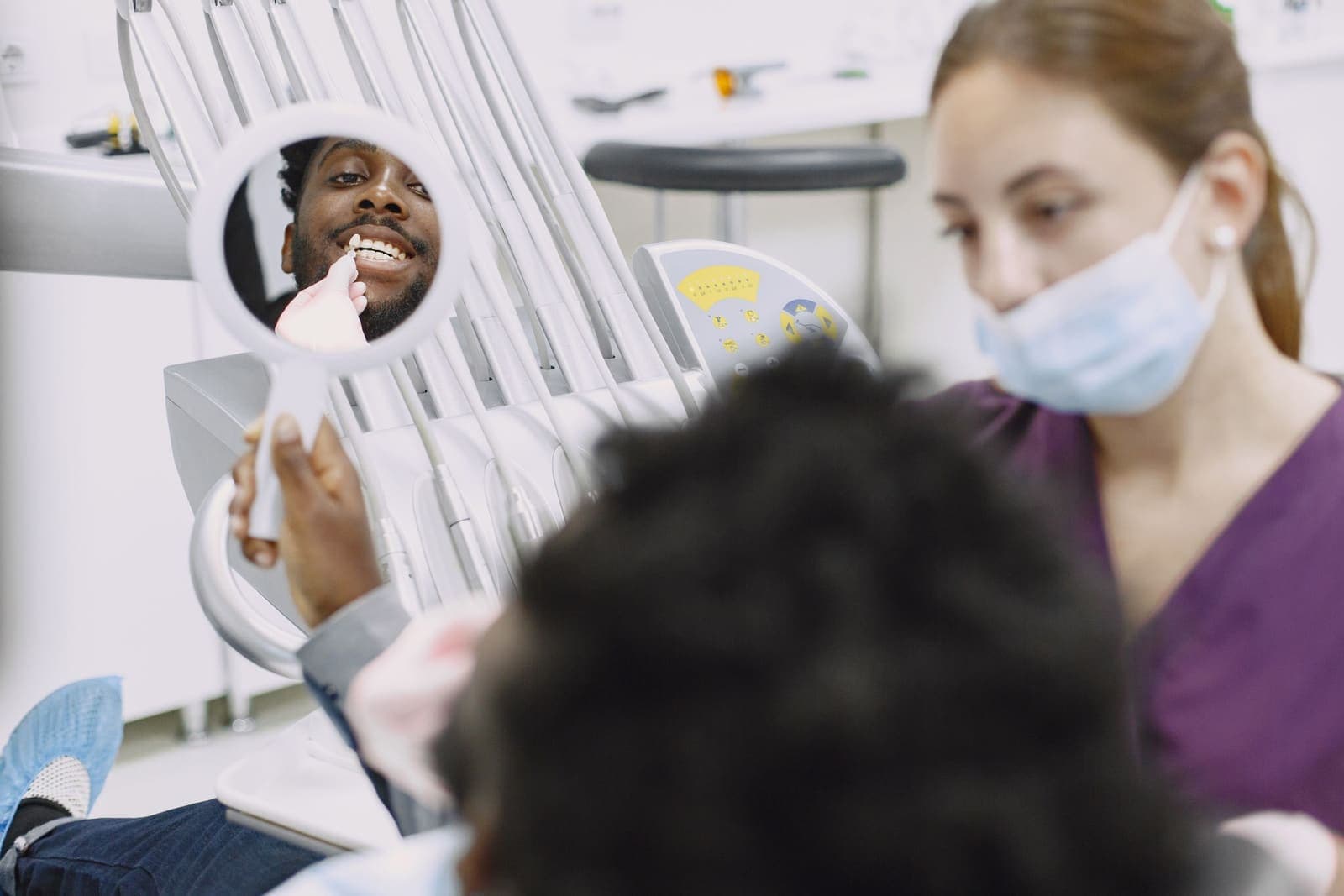 Why Does MTA Discolor Teeth, and How Do Modern Bioceramics Solve the Aesthetic Problem?Bismuth oxide gives MTA its radiopacity and its staining problem — modern bioceramics keep the bioactivity and drop the discoloration.5 min read by Dental Evidence Team
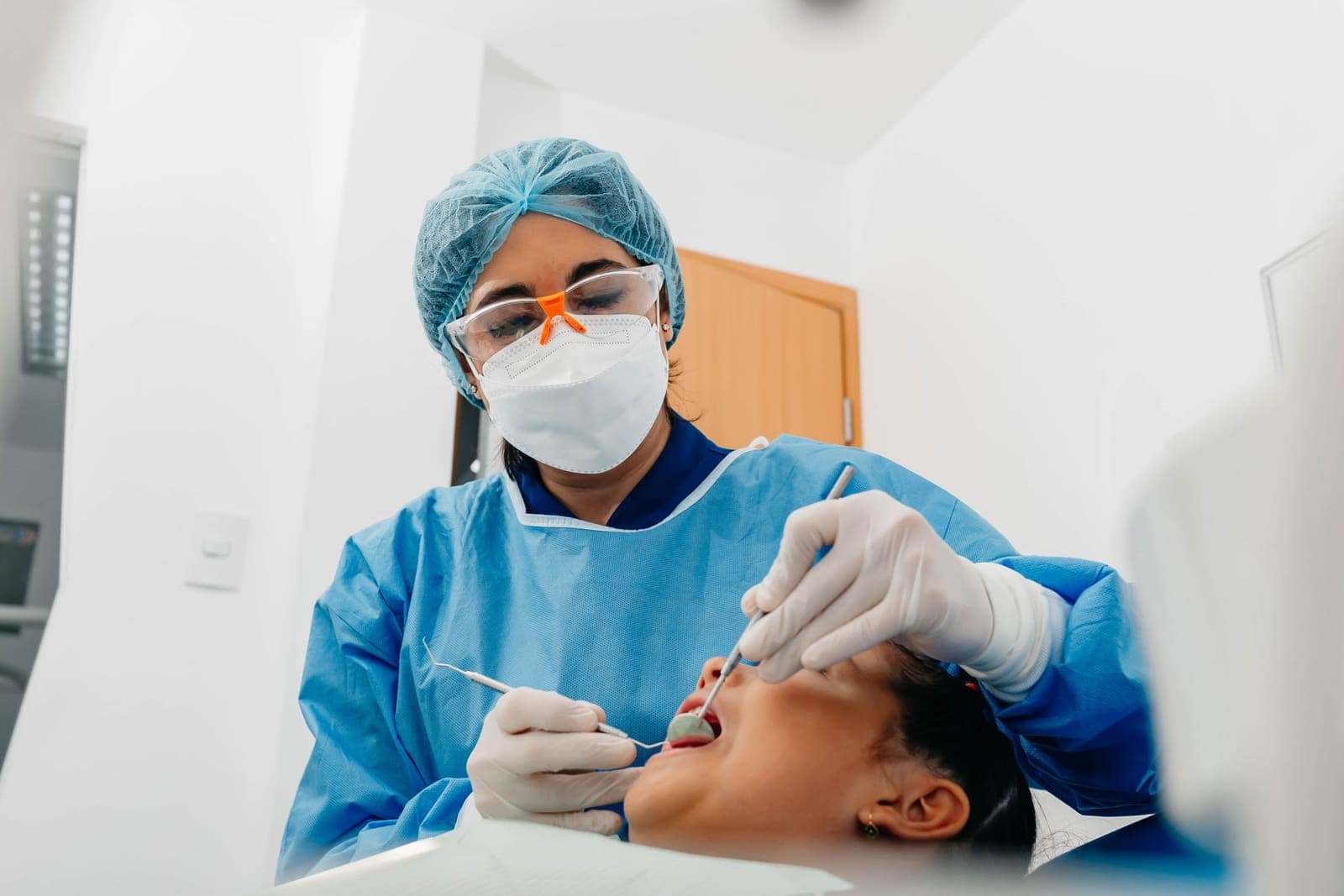 The CEO Clinician: Bridging the Gap Between Dental School and Private Practice SuccessMost dentists run an independent business without the procurement, legal, and marketing departments physicians take for granted — and dental school rarely covers the difference.2 min read by Dental Evidence Team
- The Evidence-Based Defense: Reducing Dental Malpractice Risk with DentalEvidence.comRoughly two-thirds of dental malpractice claims trace back to preventable gaps in evidence-based decision-making — closing that gap is a risk-management strategy, not just a clinical one.3 min read by Dental Evidence Team
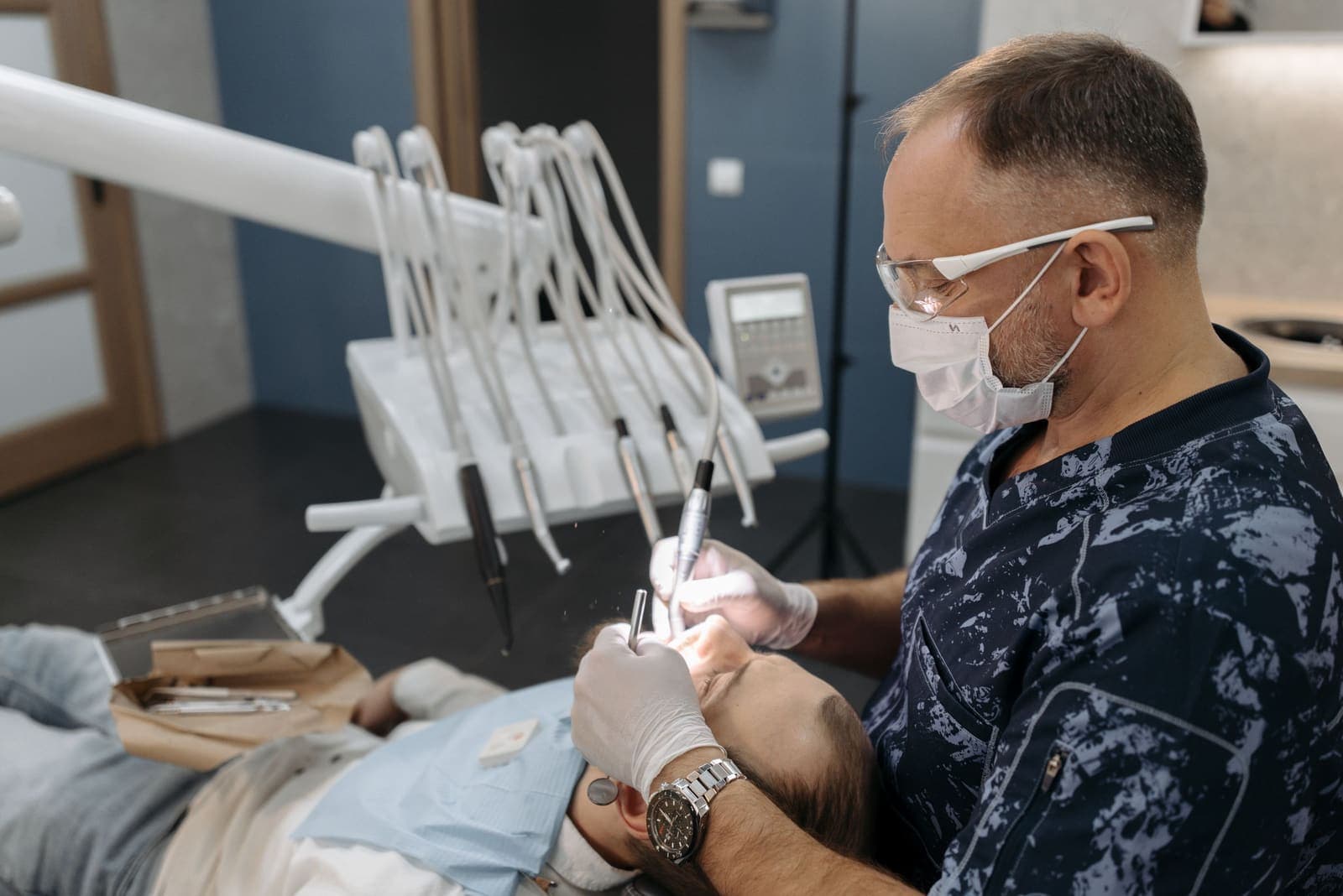 Are Bioactive Materials Better for Direct Restorations and Core Buildups?Bioactive restorative materials can help in selected cases, but fluoride release alone does not make them the default choice for every direct restoration or core buildup.5 min read by Dental Evidence Team
 The Risks of Using General AI Chatbots for Clinical Dental DecisionsA general-purpose chatbot can't tell a peer-reviewed article from a forum post, and that gap becomes a clinical risk the moment it's used for treatment planning.2 min read by Dental Evidence Team
 Peer-Reviewed vs. Sponsored Studies: How to Spot the Difference in Dental Marketing ClaimsProduct marketing routinely cites "clinical studies," but independent peer-reviewed research and sponsored content are not the same evidence.3 min read by Dental Evidence Team
 Why Is Sealing the Orifice After Root Canal Therapy Critical When Using a Temporary Restoration?An intra-orifice barrier adds a second coronal seal, helping protect an obturated canal from contamination if a temporary restoration leaks or fails.2 min read by Dental Evidence Team
 Dental Narratives: Examples and Insurance ChecklistWrite concise dental narratives for claims and appeals using patient findings, medical necessity, supporting records, and appropriate evidence.3 min read by Dental Evidence Team
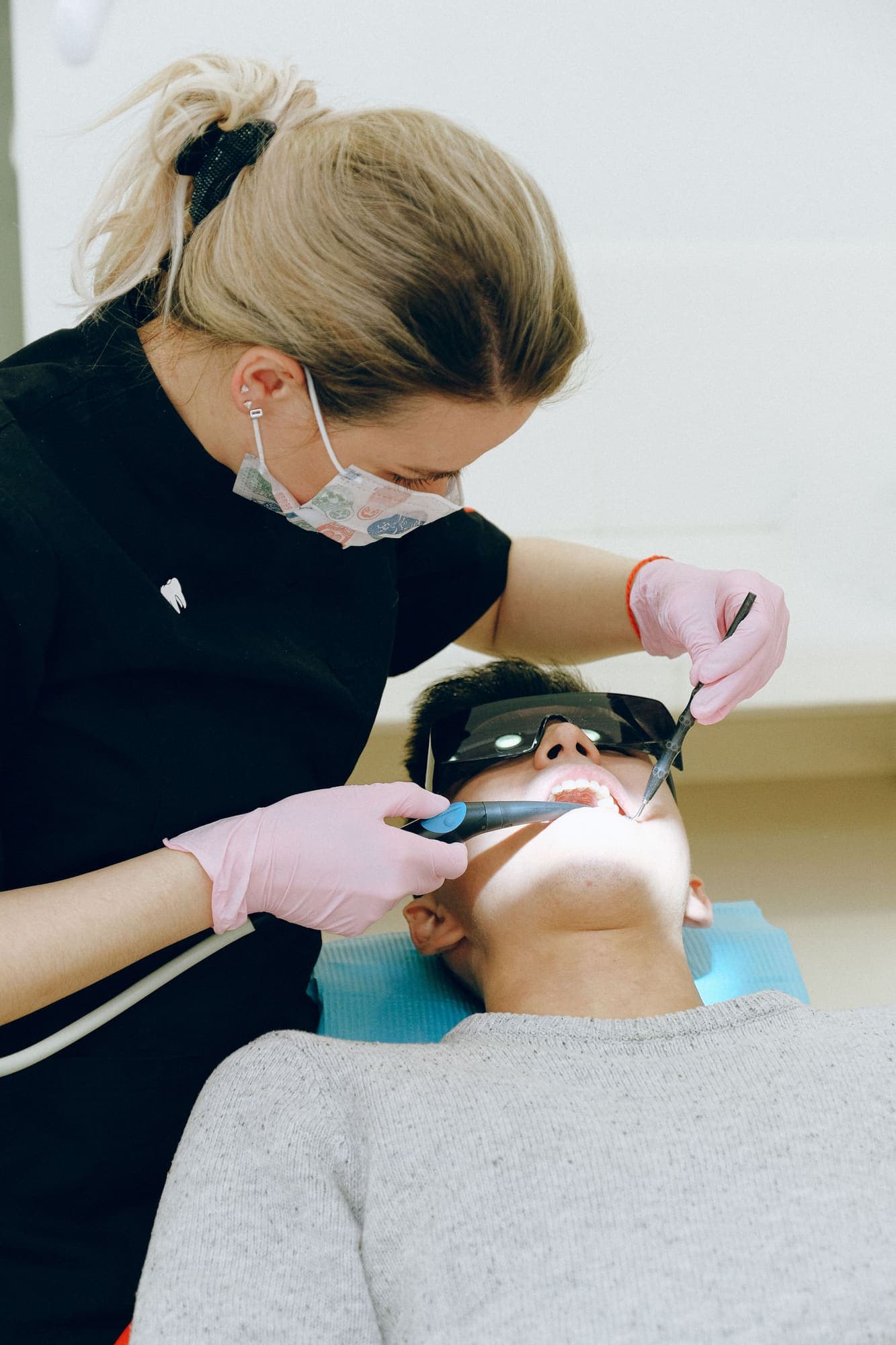 Systematic Reviews vs. Meta-Analyses: What Dentists Need to KnowThe two terms are used interchangeably but describe different things, and neither label is automatically a stamp of quality.2 min read by Dental Evidence Team
- Why Evidence-Based Research Alone Is Not Enough: The Case for Clinical ApplicationEvidence-based dentistry only works when research is weighed alongside clinical expertise and the values of the patient in the chair.2 min read by Dental Evidence Team
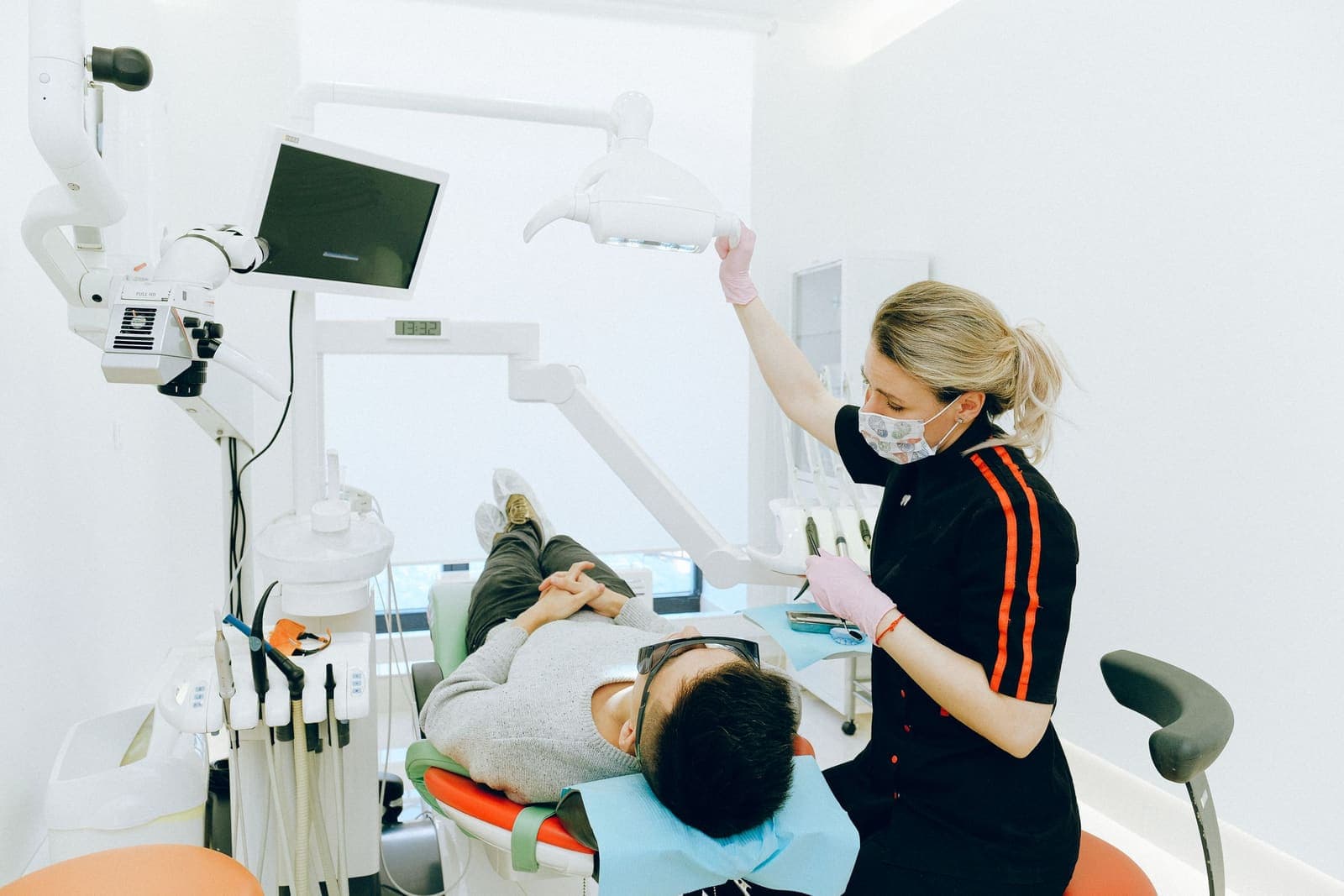 Levels of Evidence in Dentistry: A Quick Reference Guide for CliniciansKnowing where a study sits on the evidence hierarchy takes seconds and prevents overreacting to a single low-quality result.1 min read by Dental Evidence Team
- Why E-E-A-T Matters for Dental Blogs in the Age of AIDental content earns trust when experience, expertise, authority, and transparency are visible to readers and search systems.2 min read by Dental Evidence Team
Are you a dentist with a question worth answering?
We publish guest articles from licensed dentists — 500 to 1,000 words, fully cited, exclusive to Dental Evidence. Every submission that meets the standards gets published, with a byline and a link to your site.
Read the submission standards