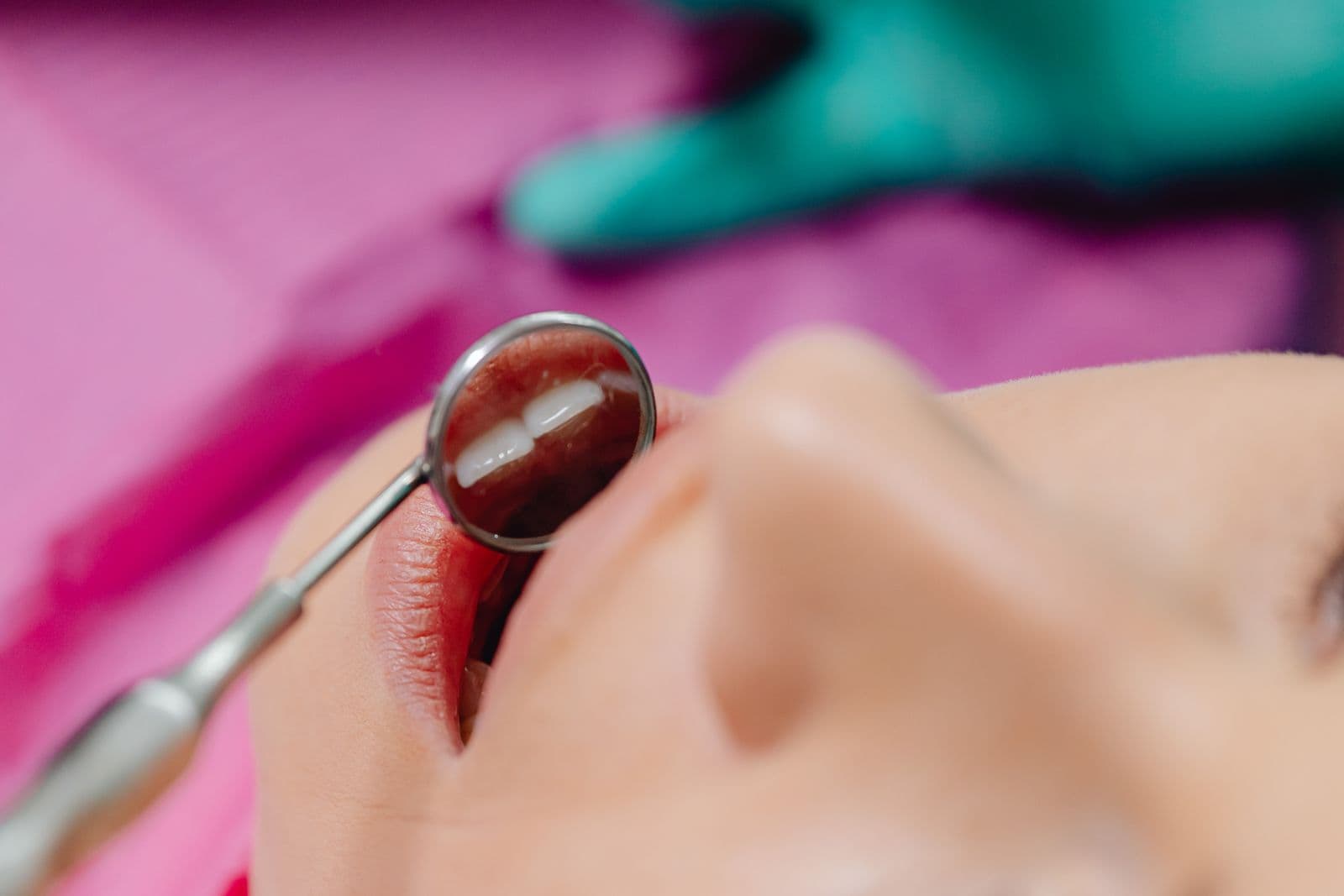
How Long Is Recovery After LANAP?
LANAP recovery: most patients return to normal activities in 1–3 days, while complete gum healing and reattachment take one to three months.
Have a question about your own teeth?Free
Ask usMost patients return to normal activities within one to three days after LANAP, with the treated gums continuing to heal underneath for one to three months. Recovery is generally faster and more comfortable than traditional cut-and-suture gum surgery because the laser protocol leaves the gum largely in place — no incisions, no sutures — and seals each treated pocket with a fibrin clot (Millennium Dental Technologies, 2026). If you are still weighing the treatment itself, What is LANAP laser gum surgery? explains how the protocol works and who it suits.
What to expect day by day#
Days 1–2#
Mild soreness, tenderness, and possibly slight swelling are common in the treated areas. Most patients go back to work or normal daily activities the next day, sometimes the same day. Many manage any discomfort with over-the-counter pain relievers alone.
First week#
The gums continue settling. A soft food diet is typically recommended during this period so chewing does not disturb the sealing clot or the healing tissue, and you will be asked to keep chewing away from the treated sites.
Weeks 2–4#
Gum tissue keeps healing and reattaching to the root surfaces. Most swelling and sensitivity resolve during this window, though full maturation of the tissue continues quietly in the background.
Months 1–3#
Complete healing and reattachment of gum tissue to the tooth root typically finish within this window. The clinical studies behind the protocol used even longer horizons: in a prospective study of full-mouth LANAP, pockets and attachment levels were still improving when measured after nine months of healing (Nevins et al., 2014), and the histologic study supporting the protocol's regeneration claim examined healed sites nine months after treatment (Nevins et al., 2012).
Post-treatment care guidelines#
- Stick to a soft food diet for the first several days to weeks, as directed
- Avoid brushing or flossing directly over treated areas until your periodontist clears them
- Use any prescribed antimicrobial rinse as directed
- Avoid chewing hard or crunchy foods on treated areas until fully healed
- Attend all follow-up appointments so your periodontist can monitor healing
The early instructions exist to protect the fibrin clot that seals each pocket against the tooth. That clot keeps the outer layer of the gum from growing back down into the pocket, which is what allows new connective tissue to attach directly to the root surface (Millennium Dental Technologies, 2026). Dislodging it with crunchy food or aggressive brushing is the main avoidable setback in week one.
How recovery compares to traditional gum surgery#
Traditional flap surgery lifts the gum off the bone and closes the site with sutures, which usually means more noticeable swelling, more discomfort, and a longer initial recovery. In a split-mouth, randomized, multi-center trial comparing laser and scalpel treatment for periodontitis, patients reported minimal postoperative discomfort at laser-treated sites (Harris et al., 2014).
The honest caveat comes from the American Academy of Periodontology's 2018 consensus: evidence comparing laser therapy with conventional periodontal treatment is still limited overall, though appropriate adjunctive laser use may provide modest additional benefit (Mills et al., 2018). What patients most consistently report is the recovery experience itself — no stitches to care for and a quick return to routine.
Why follow-up visits matter#
Healing is half the job; keeping the disease away is the other half. In a private-practice case series, 66 patients treated with full-mouth LANAP were followed for an average of 6.7 years: tooth loss averaged 0.11 teeth per patient per year, and tooth retention was favorable across the cohort (Yu & Nevins, 2023). Those results were maintained through periodontal maintenance visits — the follow-ups your periodontist schedules to confirm pockets are closing and to catch any relapse early. A pocket that closes over a lingering infection can develop into a periodontal abscess; how to identify an oral abscess lists the warning signs.
Frequently asked follow-ups#
Will I need pain medication after LANAP?#
Many patients manage with over-the-counter pain relievers. Your periodontist will advise whether anything stronger is needed based on your case.
When can I resume normal brushing and flossing?#
Your periodontist will give specific guidance. Gentle care usually resumes gradually over the first few weeks, typically with a modified technique at first.
How do I know if healing is not progressing normally?#
Worsening pain, significant swelling, or bleeding beyond the first couple of days should be reported to your periodontist promptly.
Key takeaways#
- Most patients resume normal activities within one to three days, while complete gum healing and reattachment take several weeks to a few months.
- A soft food diet and modified oral hygiene protect the sealing clot during the first weeks of healing.
- Recovery is generally faster and more comfortable than traditional cut-and-suture gum surgery, with no stitches to care for.
- Worsening pain, swelling, or bleeding beyond the first couple of days should be reported promptly.
This article is for general educational purposes and does not replace a personalized evaluation from a periodontist or dental professional.
Ask a dental question
Still have a question?
Free. Answers from published research, then book a visit with a verified local dentist.
Ask a questionCitations
- Harris, D. M., Nicholson, D. M., McCarthy, D., et al. (2014). Change in clinical indices following laser or scalpel treatment for periodontitis: A split-mouth, randomized, multi-center trial. Proceedings of SPIE, 8929, 89290G.
- Mills, M. P., Rosen, P. S., Chambrone, L., et al. (2018). American Academy of Periodontology best evidence consensus statement on the efficacy of laser therapy used alone or as an adjunct to non-surgical and surgical treatment of periodontitis and peri-implant diseases. Journal of Periodontology, 89(7), 737–742.
- Nevins, M., Kim, S. W., Camelo, M., Martin, I. S., Kim, D., & Nevins, M. (2014). A prospective 9-month human clinical evaluation of Laser-Assisted New Attachment Procedure (LANAP) therapy. The International Journal of Periodontics & Restorative Dentistry, 34(1), 21–27.
- Nevins, M. L., Camelo, M., Schupbach, P., Kim, S. W., Kim, D. M., & Nevins, M. (2012). Human clinical and histologic evaluation of laser-assisted new attachment procedure. The International Journal of Periodontics & Restorative Dentistry, 32(5), 497–507.
- Yu, Y.-H., & Nevins, M. L. (2023). Tooth retention and clinical and radiographic long-term results among patients treated with the full-mouth laser-assisted new attachment procedure (LANAP): A case series. The International Journal of Periodontics & Restorative Dentistry, 43(2), 181–191.
- Millennium Dental Technologies, Inc. (2026). The LANAP Protocol.
About the author
Chithra Durgam, DDS
Guest contributor
Dr. Chithra Durgam is a licensed dentist and guest contributor to Dental Evidence.
More from the blog
- Can I Go to the ER for a Dental Emergency?ER dental emergency: go for spreading swelling, fever, or trouble breathing; most tooth pain belongs with an emergency dentist first.
- Can I Get a Same-Day Dentist Appointment?Same-day dentist appointment: most offices hold urgent slots; call at opening, describe pain, swelling, or trauma, and ask for a referral if they are full.
- Is a Root Canal Painful?Root canal pain: modern treatment is done under local anesthesia, feels similar to a filling, and relieves the pain of the infected tooth causing it.