Can Bleeding Gums Be Reversed?
Bleeding gums are reversible at the gingivitis stage with better brushing, flossing, and a cleaning; bone lost to periodontitis does not return.
Yes, if you catch it at the gingivitis stage, the earliest and mildest form of gum disease. Gingivitis is inflammation limited to the gum tissue itself, so the bone and ligaments holding your teeth are still untouched. With better daily plaque removal and a professional cleaning, the bleeding and inflammation typically resolve within a couple of weeks.
Why early-stage bleeding is reversible#
The defining feature of plaque-induced gingivitis is that it reverses when the biofilm goes away. The World Workshop consensus on gingival conditions lists reversibility by removing or disrupting the biofilm as a core characteristic, with the inflammation confined to the gum tissue (Murakami et al., 2018).
The classic experimental proof still anchors periodontics. In Löe's 1965 study, 12 healthy volunteers stopped all oral hygiene. Gingivitis developed in every subject within 10 to 21 days, with bacterial counts climbing as the inflammation set in. When plaque control resumed, the gums returned to normal. Bleeding gums at this stage are a hygiene problem, and hygiene fixes them.
Steps to reverse bleeding gums#
Improve your daily routine#
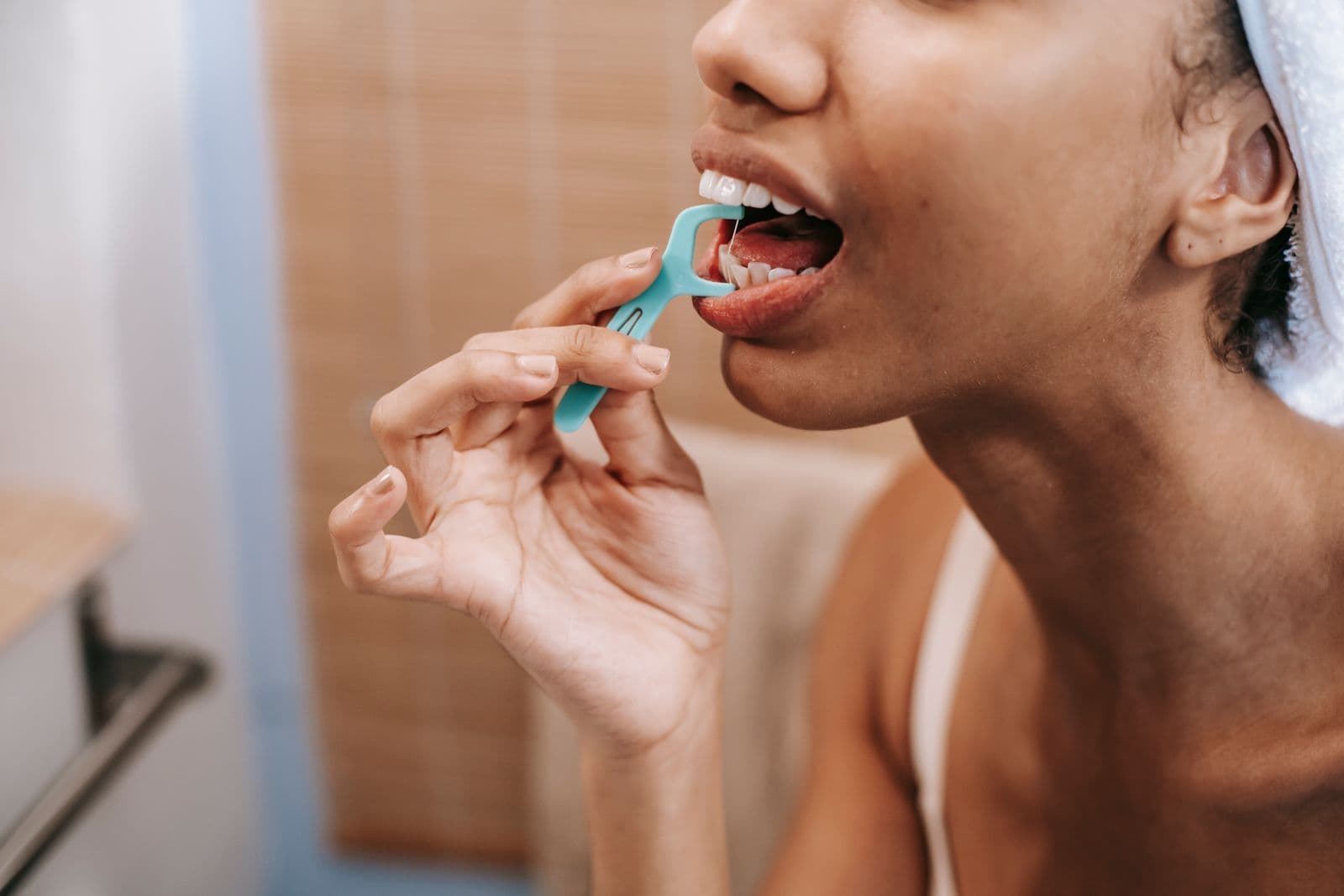
Brush twice a day for two minutes with a soft-bristled brush, angled at the gumline, and clean between the teeth once a day with floss or an interdental brush. Plaque accumulates faster at inflamed sites than at healthy ones (Murakami et al., 2018), so the sites that bleed are the ones that need the most consistent attention.
Get a professional cleaning#
Hardened plaque, tartar, cannot be brushed or flossed off. A professional cleaning clears deposits above and below the gumline and gives the tissue a genuine chance to heal.
Use an antimicrobial rinse if recommended#
Your dentist may suggest a therapeutic rinse to reduce bacteria while your gums recover.
Address contributing factors#
Tobacco, poorly controlled diabetes, and dry mouth all slow gum healing, and hormones, systemic diseases, and certain drugs can raise the severity of plaque-induced inflammation (Murakami et al., 2018).
What happens if bleeding gums progress past gingivitis#
Once gum disease becomes periodontitis, the tooth-supporting apparatus is losing attachment and bone, and that loss does not fully reverse (Papapanou et al., 2018). Treatment at that stage focuses on halting progression and maintaining what remains. The stakes are larger than most people assume: NHANES survey data show 46% of US adults aged 30 and older, about 64.7 million people, have periodontitis, and 8.9% have the severe form (Eke et al., 2015).
Controlling gingival inflammation is the recognized primary prevention for periodontitis (Murakami et al., 2018). Not every gingivitis site progresses, and no test can show which ones will, which is why every bleeding gum deserves prompt care.
Frequently asked follow-ups#
How long does it take for gingivitis to reverse?#
With consistent home care and a professional cleaning, noticeable improvement usually happens within one to two weeks.
How do I know if mine is still reversible gingivitis?#
A dental exam with pocket depth measurements and X-rays is the only reliable way to tell. Symptoms alone cannot distinguish the stages.
Can bleeding gums come back after healing?#
Yes, if plaque control slips again. Daily hygiene and regular checkups keep gums healthy; no single cleaning is permanent.
Key takeaways#
- Gingivitis-stage bleeding is fully reversible with better plaque removal at home and a professional cleaning.
- Noticeable improvement typically shows within one to two weeks of consistent care.
- Periodontitis-stage bone and attachment loss does not fully return; treatment there focuses on stopping progression.
- Daily plaque control and regular checkups are ongoing requirements, not a one-time fix.
This article is for general educational purposes and does not replace a personalized evaluation from a dental professional.
Citations
- Löe, H., Theilade, E., & Jensen, S. B. (1965). Experimental gingivitis in man. The Journal of Periodontology, 36(3), 177–187.
- Murakami, S., Mealey, B. L., Mariotti, A., & Chapple, I. L. C. (2018). Dental plaque–induced gingival conditions. Journal of Periodontology, 89(S1), S17–S27.
- Eke, P. I., Dye, B. A., Wei, L., Slade, G. D., Thornton-Evans, G. O., Borgnakke, W. S., Taylor, G. W., & Genco, R. J. (2015). Update on prevalence of periodontitis in adults in the United States: NHANES 2009 to 2012. Journal of Periodontology, 86(2), 152–154.
- Papapanou, P. N., Sanz, M., Buduneli, N., et al. (2018). Periodontitis: Consensus report of workgroup 2 of the 2017 World Workshop on the Classification of Periodontal and Peri-Implant Diseases and Conditions. Journal of Periodontology, 89(S1), S173–S182.
About the author
Chithra Durgam, DDS
Guest contributor
Dr. Chithra Durgam is a licensed dentist and guest contributor to Dental Evidence.
More from the blog
- Am I a Candidate for Invisalign?Invisalign candidacy: aligners suit mild to moderate crowding, spacing, and bite issues, need 20 to 22 hours of daily wear, and healthy gums and bone support.
- Can Adults Get Braces?Adults can get braces at any age: gum and bone health matter more than age, treatment time runs similar to teens, and lifelong retention protects the result.
- What Counts as a Dental Emergency?Severe pain, uncontrolled bleeding, swelling, a knocked-out tooth, or spreading infection are dental emergencies; lost fillings and mild sensitivity can wait.